Stone Carving Fundamentals: Your First Project
Learn traditional stone carving techniques over eight weeks. You'll work with local Portuguese limestone and create a finished piece you can actually keep.
Why Stone Carving Matters
There's something profoundly satisfying about taking a raw block of stone and transforming it into something beautiful. It's not just about creating art — it's about connecting with centuries of craftsmanship that's been passed down through generations of Portuguese artisans.
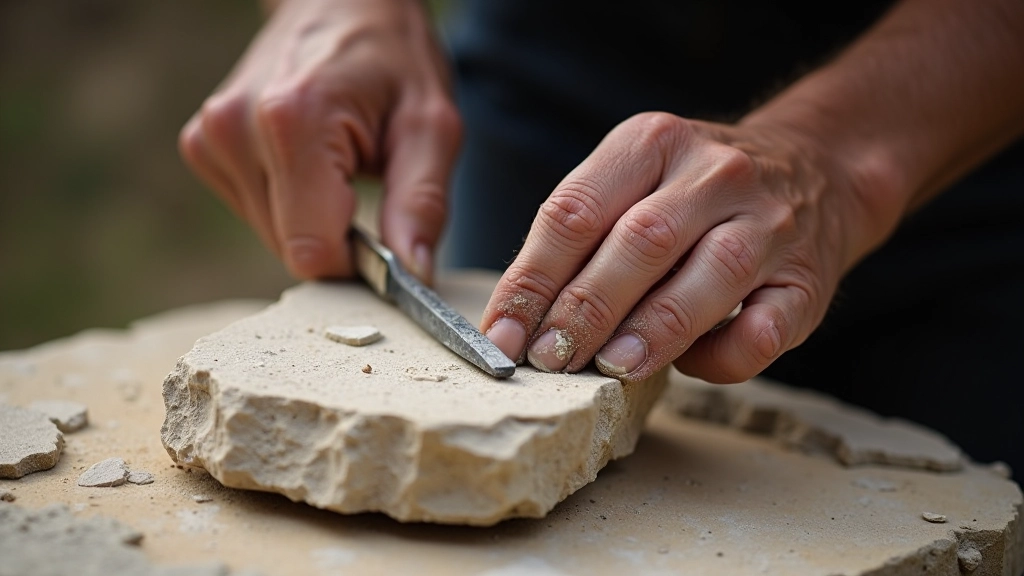
Stone carving teaches patience. It teaches you to listen to the material, to understand how limestone wants to break and where it'll resist. You'll learn that rushing doesn't work here. Each strike of the mallet matters, and you'll develop a genuine respect for the medium that no photograph can quite capture.
Our eight-week program is designed specifically for adults who've never picked up a chisel before. We start with the absolute basics — tool handling, safety, understanding stone — and progress to completing a real, finished sculpture you'll take home at the end.
The Tools You'll Use
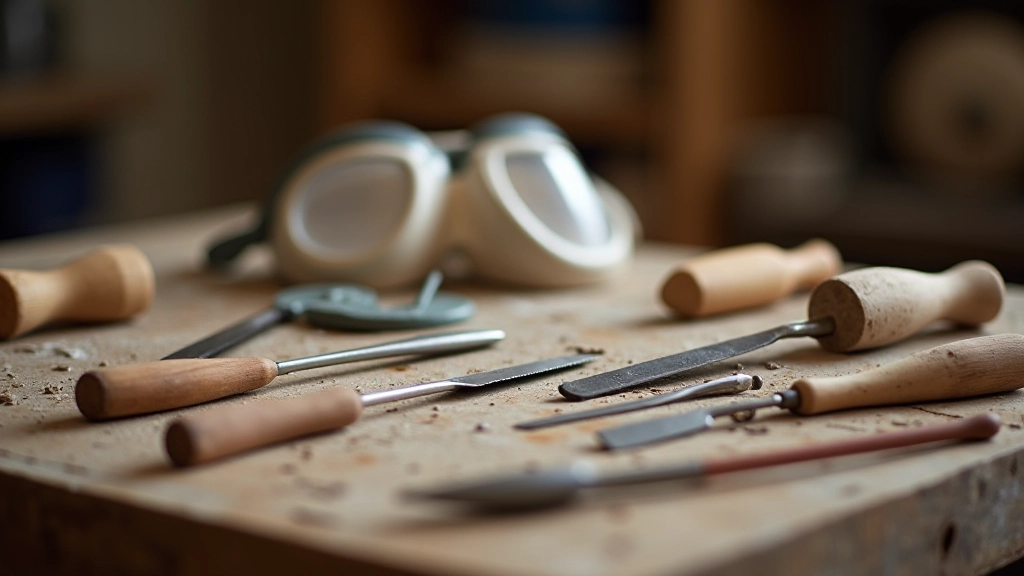
You don't need a massive collection to get started. A few quality tools are far better than a drawer full of mediocre ones. Here's what we provide in the workshop, and what you'll actually become familiar with:
- Pointing chisels: The workhorse tool. We use these for the majority of the work, removing bulk stone and roughing out your design.
- Toothed chisels: These have small notches that create texture and help you control how the stone breaks away. Essential for detail work.
- Flat chisels: Perfect for finishing surfaces and creating clean edges on your sculpture.
- The mallet: Typically made from hardwood, it needs to be heavy enough to drive the chisel but not so heavy you're exhausted after twenty minutes.
- Safety gear: Goggles and a dust mask are non-negotiable. Stone chips fly, and you're breathing limestone dust constantly.
By week three, you'll have developed muscle memory with these tools. By week six, you won't be thinking about technique anymore — you'll just be carving.
Your Eight-Week Journey
Here's how the program unfolds. Each week builds on the previous one, and you'll see tangible progress with your own hands.
Weeks 1-2: Foundation
Safety first. Tool handling. Understanding your stone's grain and structure. You'll make your first marks, learn the proper mallet grip, and start getting comfortable with how force translates through the chisel. No pressure — literally, just getting a feel for it.
Weeks 3-4: Design & Roughing
You'll work with the instructor to finalize your design. Something simple but meaningful — maybe an abstract form, a stylized face, or geometric shapes. Then you'll start the real carving, removing the bulk stone to establish your basic composition.
Weeks 5-6: Detail Work
This is where your sculpture comes to life. Finer chisels, more precise strikes, more patience. You're defining features, creating depth, making decisions about texture. This is also where you'll learn problem-solving — what to do when the stone doesn't cooperate.
Weeks 7-8: Finishing
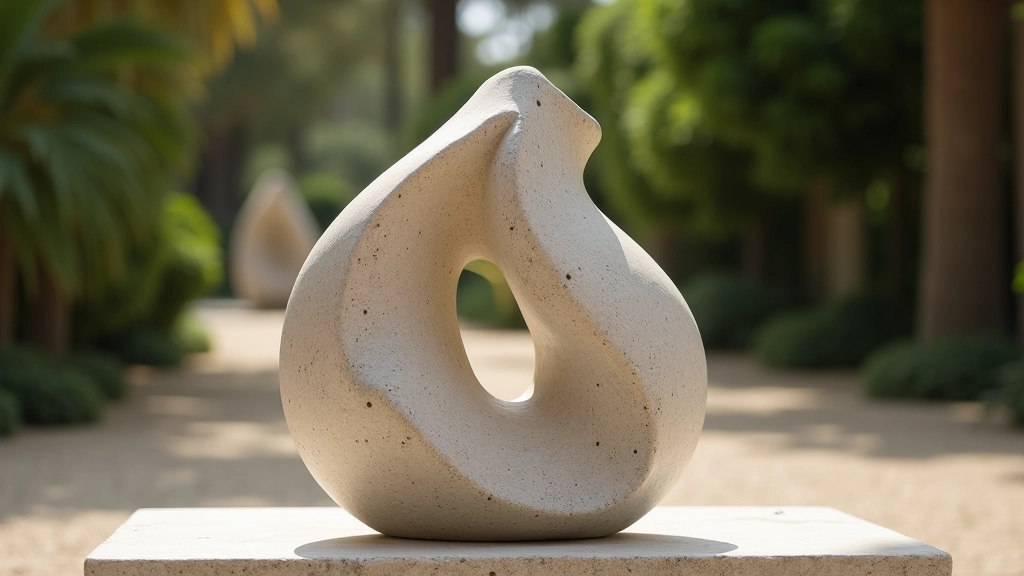
Smoothing, refining, and deciding on your final surface treatment. Do you want a polished finish or a more textured look? You'll learn sanding techniques with increasingly fine grits. By week eight, you'll have a finished piece you're genuinely proud of.
Why Portuguese Limestone?
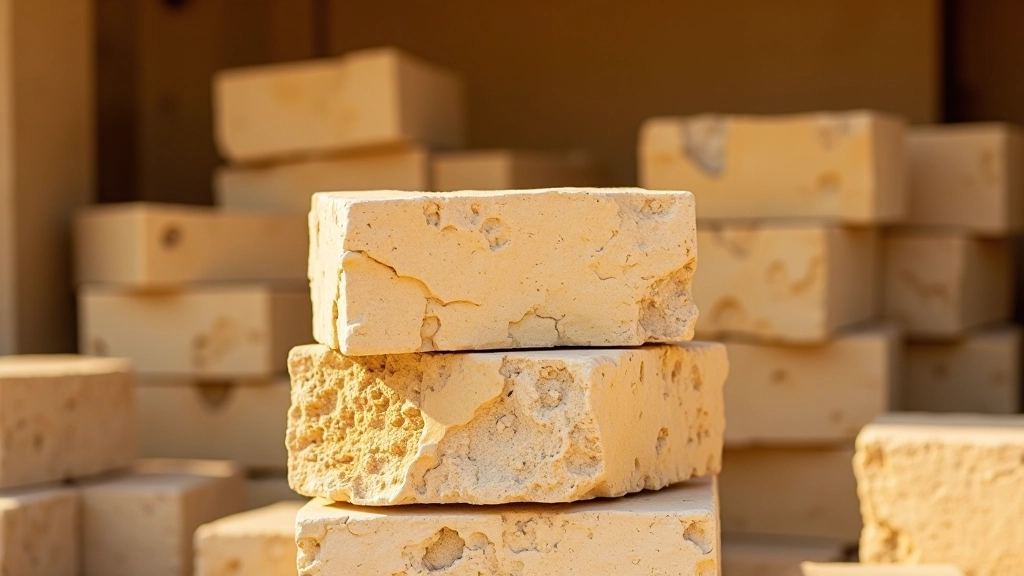
We specifically source our stone from local quarries in the Alentejo region. Portuguese limestone is ideal for beginners — it's softer than granite or marble, which means you'll see results faster without needing superhuman strength. It's also beautiful. When you carve into it, the warm honey tones and subtle texture make your work look instantly professional.
Each person works with a block approximately 30cm x 20cm x 15cm. That's substantial enough to create something meaningful, but not so massive that you're overwhelmed. You'll understand the stone's characteristics within the first few sessions — where it's more brittle, where it carves smoothly, how the grain affects your cuts.
And here's the real benefit: your finished sculpture stays with you. No photograph, no reproduction. Your actual carved stone. You'll know every surface, remember every decision you made about that particular chip or texture.
What to Actually Expect
You'll be sore. Carving uses muscles you don't normally use — your shoulders, forearms, and core. By week two, you'll notice it. By week four, you'll be stronger. That's not exaggeration; it's just how it works.
You'll make mistakes. Everyone does. A chisel slip, a section that breaks off, a design element that doesn't translate the way you imagined. The good news? You learn from every single one. And stone has a way of being forgiving — most "mistakes" can be incorporated into the final design if you're creative about it.
You'll get frustrated sometimes. There'll be a session where nothing seems to go right, where your hands don't cooperate, where the stone seems harder than yesterday. That's normal. Come back the next week, and it clicks again.
But you'll also experience genuine flow. Hours will pass without you noticing. You'll be completely focused on the work, the sound of chisel on stone, the smell of dust, the satisfaction of watching your vision emerge from the raw block. That's the addiction that keeps people carving for decades.
"I wasn't sure I could actually do this at sixty-three. But after the first session, I was hooked. Now I carve three times a week. It's the most focused I've been in years."
— Helena, 63
Ready to Start Carving?
Stone carving isn't something you need special talent for. You don't need artistic experience or a background in sculpture. You just need curiosity and willingness to learn. We'll handle the rest — the technique, the guidance, the encouragement when it gets tough.
What you'll take away isn't just a finished sculpture. You'll have developed a skill that's genuinely rare. You'll understand materials, craftsmanship, and patience in a way that classroom learning can't teach. And you'll have created something real with your own hands — something that'll sit in your home as a permanent reminder of what you accomplished.
The next eight-week session begins soon. If this resonates with you, reach out. We can discuss your ideas, answer questions, and get you set up. Bring your curiosity. Bring your hands. The stone's waiting.
Get in Touch to Learn More
Important Information
This article is educational and informational in nature. It describes general stone carving techniques and workshop approaches. Individual results vary based on prior experience, physical capability, and personal commitment. Always wear appropriate safety equipment when carving stone, including eye protection and respiratory protection. If you have physical limitations or health concerns, consult with an instructor before beginning. Stone carving involves tools that can cause injury if misused — proper training and supervision are essential.
Explore Related Courses