
Mixed Media Sculpture: Combine Techniques
Learn to blend traditional carving, casting, and modern materials into powerful artistic expressions. We'll show you how different techniques work together.
Why Mix Techniques?
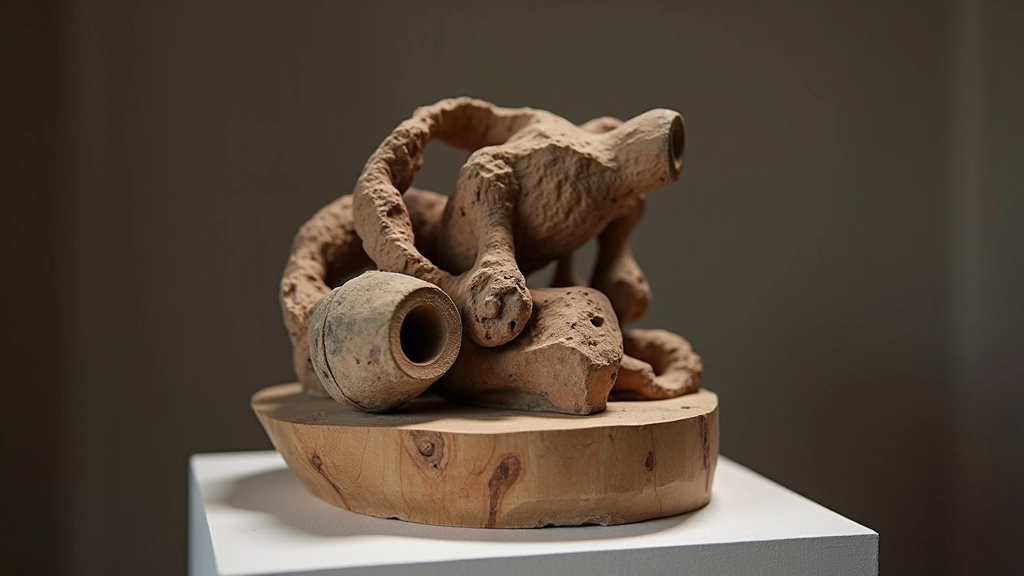
Here's the thing — when you're limited to just one method, you're limiting what you can express. Stone carving gives you solidity and permanence. Bronze casting brings warmth and reflective surfaces. Wire and found materials add movement and complexity. Put them together? You've got something that wouldn't exist otherwise.
We've worked with sculptors aged 60 to 80 who discovered that mixing techniques opened up creative possibilities they'd never considered. One student combined carved limestone with copper wire to create a piece about memory — something neither material could communicate alone. That's the power of mixed media.
The Core Techniques
Stone Carving
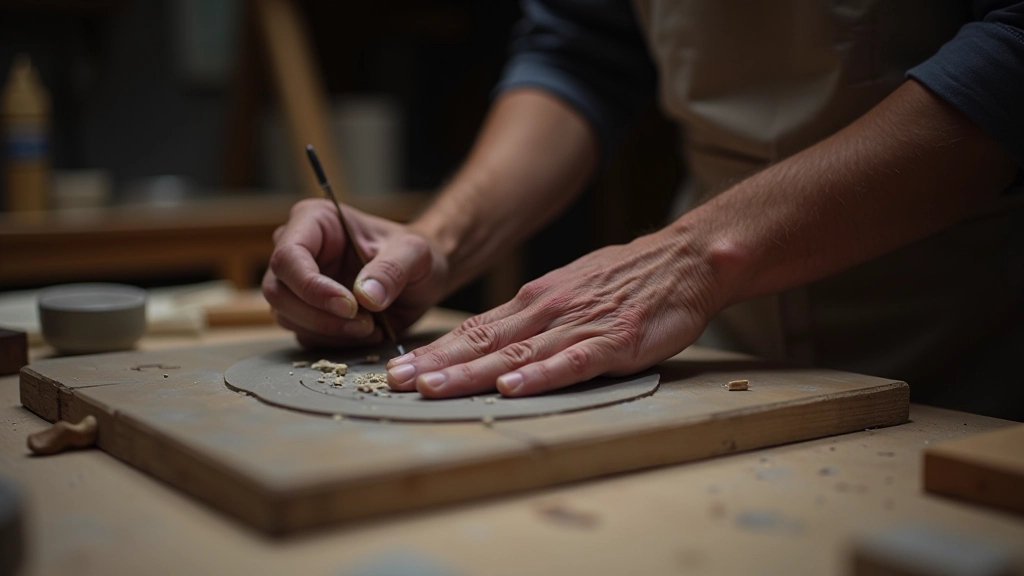
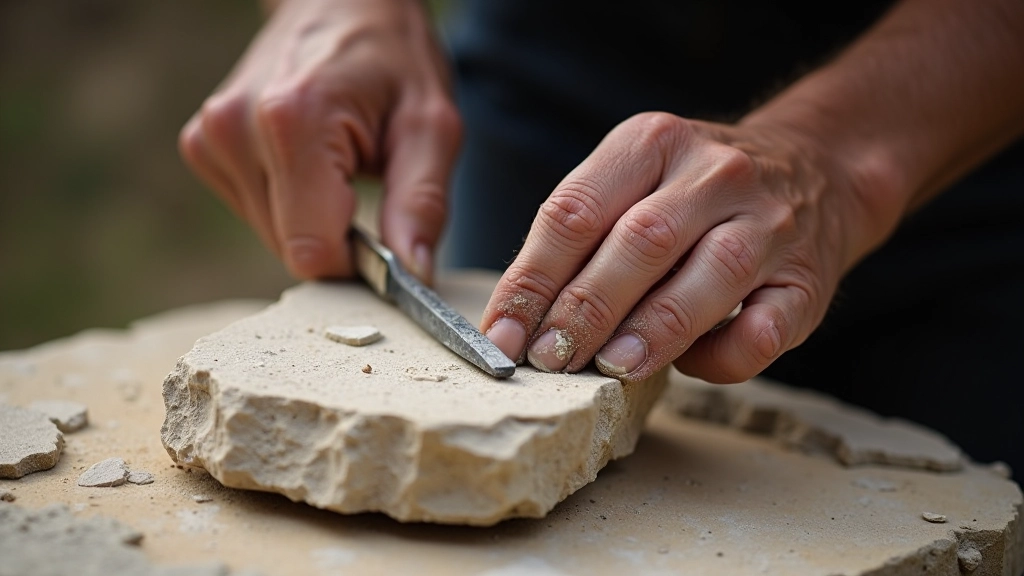
The subtractive method. You remove material to reveal form. Stone won't forgive mistakes, which is why it teaches patience. Most sculptors start here — it's fundamental. We work primarily with limestone and soapstone because they're forgiving enough for beginners but responsive enough to reward skill.
Bronze Casting
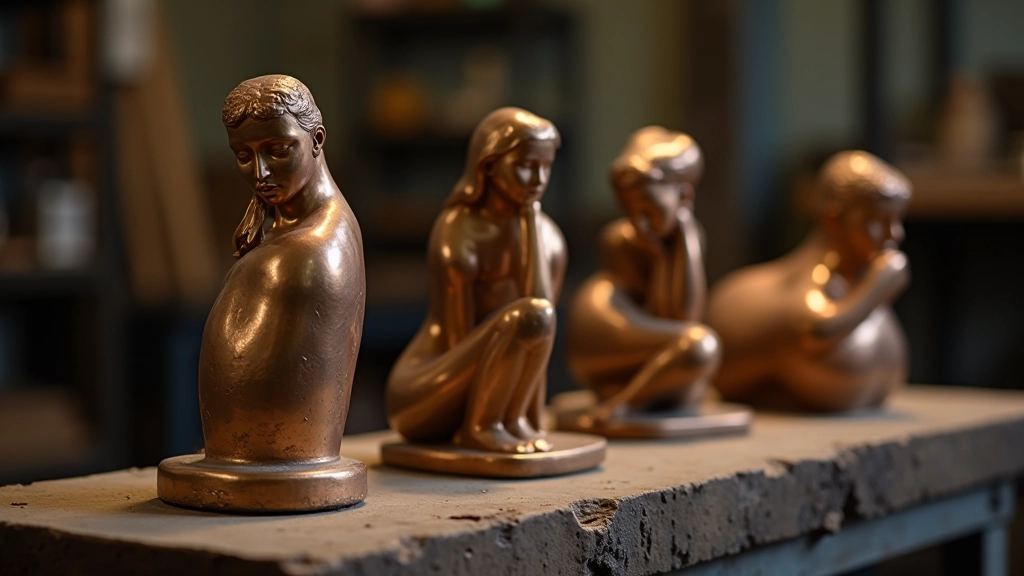
You create a mold, pour molten metal, and get precision you can't achieve by hand. Bronze develops a patina over time — it changes, ages, tells a story. The process takes weeks from start to finish. We host demonstrations so you see exactly how metal transforms from liquid to solid form.
Wire & Found Materials
The additive method. You build up form instead of removing it. Wire, wood, metal scraps, even reclaimed materials. This is where contemporary sculptors experiment. It's less intimidating than stone carving because you're not destroying anything — you're assembling. Perfect for mixed media because materials can suggest meaning through contrast.
How to Combine Without Chaos
Mixing techniques isn't just throwing everything together. You're making intentional choices about what each material contributes. Here's our approach:
Start with a Concept
What're you trying to say? If it's about stability, carved stone is your anchor. If it's about movement or fragility, wire works better. Your message drives your material choices.
Create Visual Contrast
Different materials should look and feel different. Smooth stone next to rough-textured bronze. Solid forms next to delicate wire. The contrast is what makes mixed media interesting — viewers' eyes travel between the different elements.
Respect Material Properties
Don't force a material to do something it's not designed for. Bronze is heavy — embrace that weight. Wire is delicate — let it be. When you work with material nature rather than against it, pieces feel authentic.
Practical Integration Steps
Carve Your Foundation
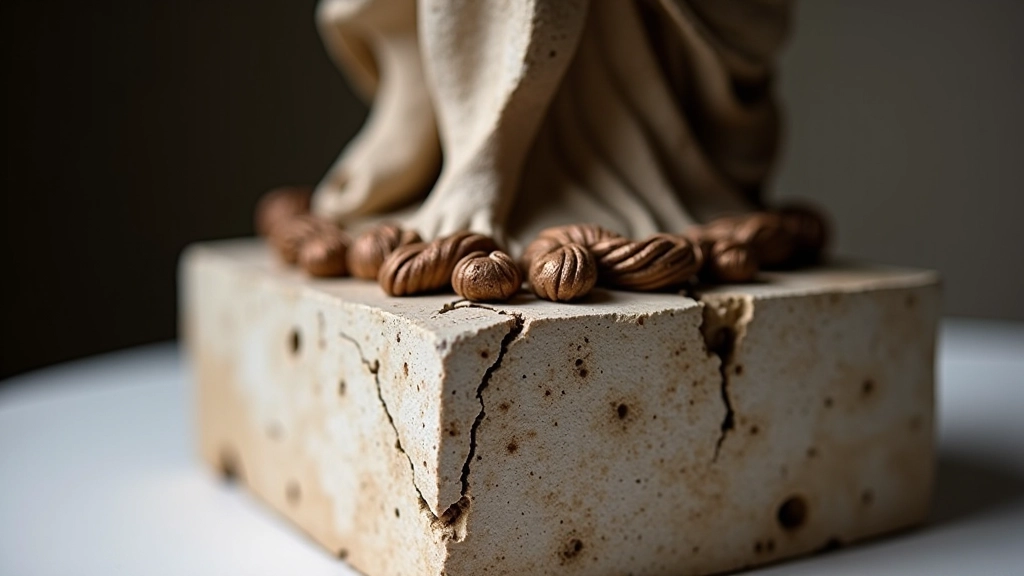
Begin with stone carving to establish your base form. This typically takes 4-6 weeks depending on complexity. You'll develop the main volume and basic composition. Think of it as creating the architecture of your piece.
Plan Your Additions
Before adding cast bronze or wire, sketch how these elements interact with your carved form. Consider how light will play across surfaces. Where does your eye travel? What areas need emphasis or relief? This planning prevents the piece from feeling disconnected.
Integrate Carefully
Add bronze castings or wire elements in ways that connect physically and visually to your carved base. Drill holes for anchoring wire. Create recesses where bronze can sit flush. The joining should feel intentional, not accidental.
Refine & Finish
Step back regularly and assess how all materials work together. You might sand surfaces, apply patinas, or add protective finishes. This final phase is where mixed media pieces really come alive — when all elements finally speak together as one artwork.
Materials You'll Work With
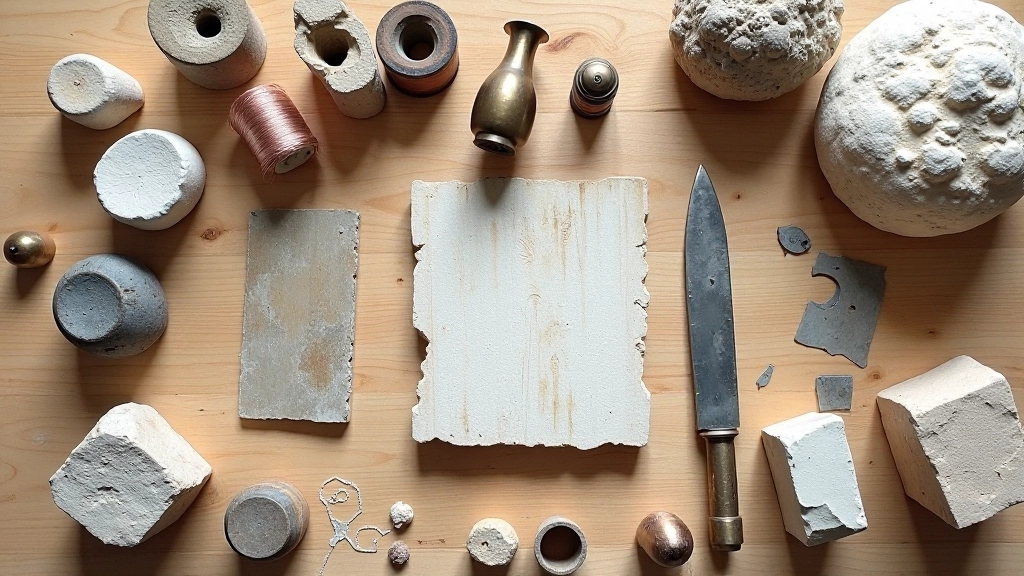
We provide most materials in our classes, but understanding what you're working with matters. Limestone is porous and relatively soft — you can carve it with hand tools. Soapstone is even softer, great for developing skills quickly. Bronze is dense, permanent, and develops character as it ages.
Copper wire is forgiving. You can bend it repeatedly without it breaking. Brass is stiffer. Steel requires different handling. When combining materials, you're essentially creating a dialogue between different physical properties. The contrast is part of the meaning.
Many sculptors bring found materials — reclaimed wood, vintage metal, objects with personal significance. These work beautifully in mixed media because they already carry meaning. A piece of rusty iron isn't just material; it's a story about time and decay.
What Mixed Media Teaches You
"I spent 30 years doing just stone carving. When I tried combining it with wire and bronze, everything I'd learned suddenly made more sense. Each technique showed me something new about the others."
— Fernando, age 68, sculptor
Mixed media teaches flexibility. It shows you that limitations in one material become possibilities in another. It pushes you to think conceptually — why does this piece need stone AND wire AND bronze? What's the artwork trying to communicate?
You'll also discover that materials have voices. Stone is permanent and grounded. Wire is questioning and delicate. Bronze is warm and reflective. When you orchestrate these voices together, you're composing something richer than any single material could express alone.
Continue Your Sculpture Journey
About This Article
This article provides educational information about mixed media sculpture techniques. Individual results vary based on skill level, practice, materials used, and personal artistic vision. The techniques described are general approaches — your instructor will adapt guidance to your specific needs and experience. Always follow safety protocols when working with sculpting tools, casting equipment, and materials. If you're considering beginning sculpture work, start with beginner classes to learn proper technique and safety first.