Bronze Casting Demonstrations: See It Happen Live
Watch molten metal transform into lasting art. Our live foundry sessions reveal the complete bronze casting process — from pouring the mold to revealing the finished sculpture.
The Moment Metal Becomes Art
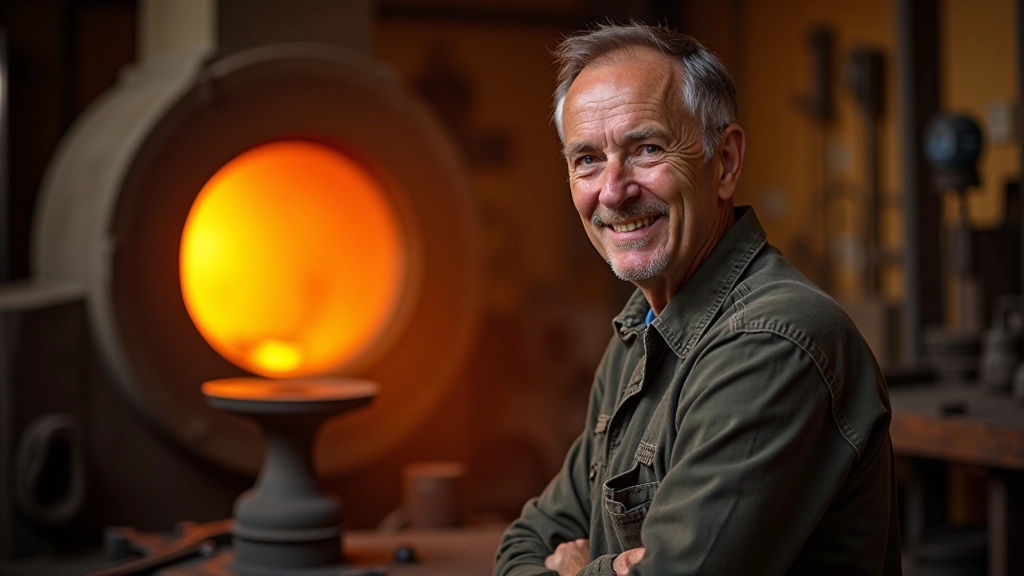
There's something mesmerizing about watching bronze casting happen in real time. The heat shimmers off the furnace. The silence before the pour. Then — a stream of molten metal flowing into the mold, filling every detail of your original sculpture. Within hours, you'll see your creation emerge.
This isn't theoretical art instruction. You're standing in an actual foundry, watching the entire process unfold. We've been running live casting demonstrations since 2019, and we've learned what visitors actually want to understand — not just the final result, but how artisans have created bronze work for thousands of years.
How It All Works: Five Essential Steps
From your original sculpture to the finished bronze piece, we'll walk you through each stage as it happens.
01
The Original Sculpture
You'll start with a finished clay or wax model. This is your master sculpture — every detail matters. We're not making copies here; we're preparing your vision for metal. Most originals at our demonstrations are 6 to 18 inches tall, which is the sweet spot for learning without overwhelming complexity.
02
Creating the Mold
Your sculpture gets buried in a special ceramic mixture. This mold captures every surface texture, every curve. It's like taking a photograph with clay. The process takes about three days as the mold dries and hardens completely. You'll see this stage happen, understand why the material matters, and learn why patience here prevents disasters later.
03
The Furnace & The Pour
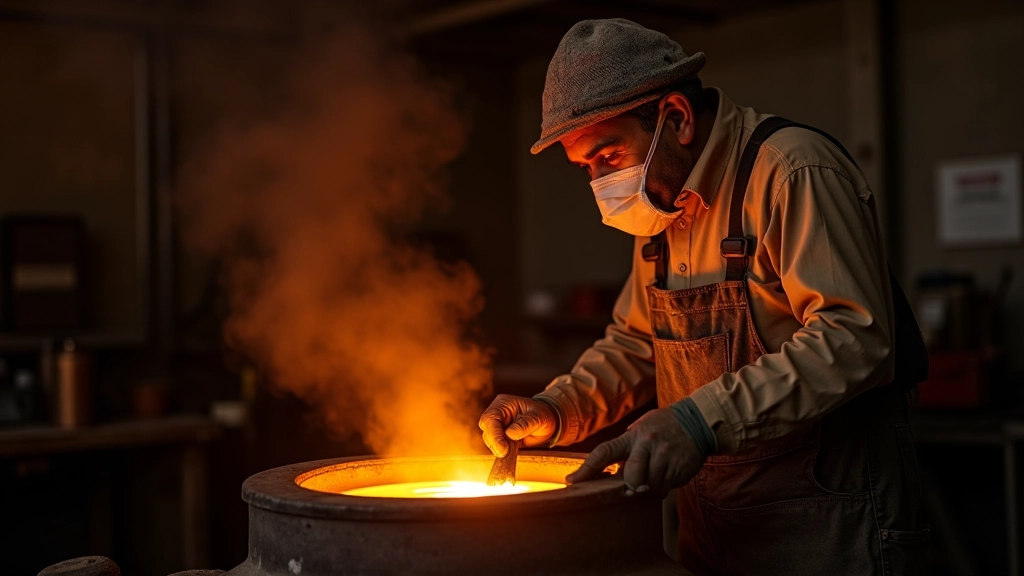
This is where it gets dramatic. Bronze melts at 2,100 degrees Fahrenheit. The furnace roars. Everyone wears protective gear. You'll stand (safely back) and watch the molten metal flow into the mold in one continuous pour — it's fast, maybe 30 seconds, but those seconds are everything. Temperature control, pouring speed, mold stability — one variable off and the whole casting fails.
04
Cooling & Breaking Out
Bronze cools fast — too fast and it cracks. We let it cool overnight, which takes real restraint. The next morning, we carefully break away the ceramic shell. This moment? Your first real look at the bronze version of your sculpture. It'll be rough, probably have extra bits attached, but it's undeniably bronze and undeniably yours.
05
Finishing & Patina
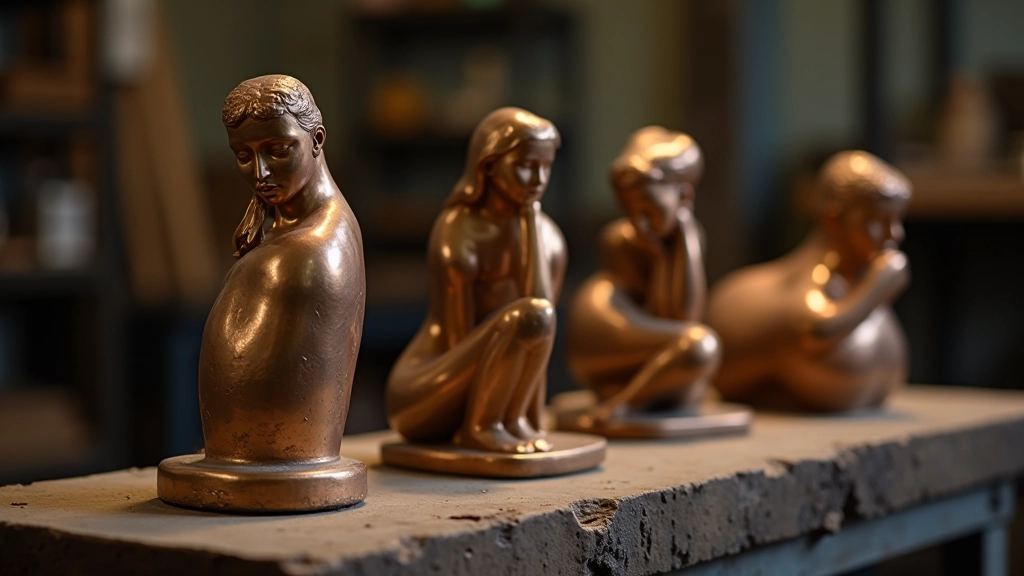
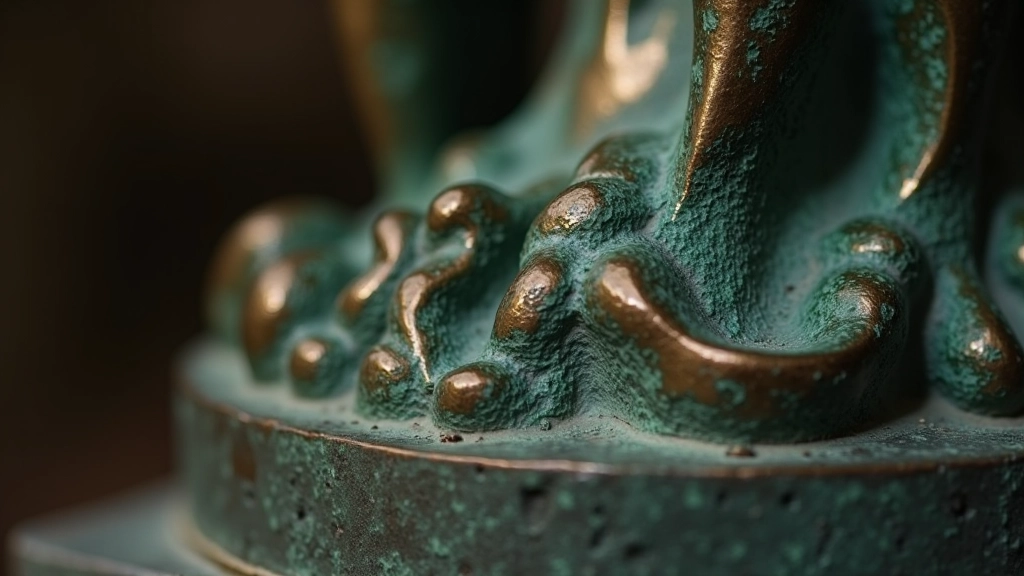
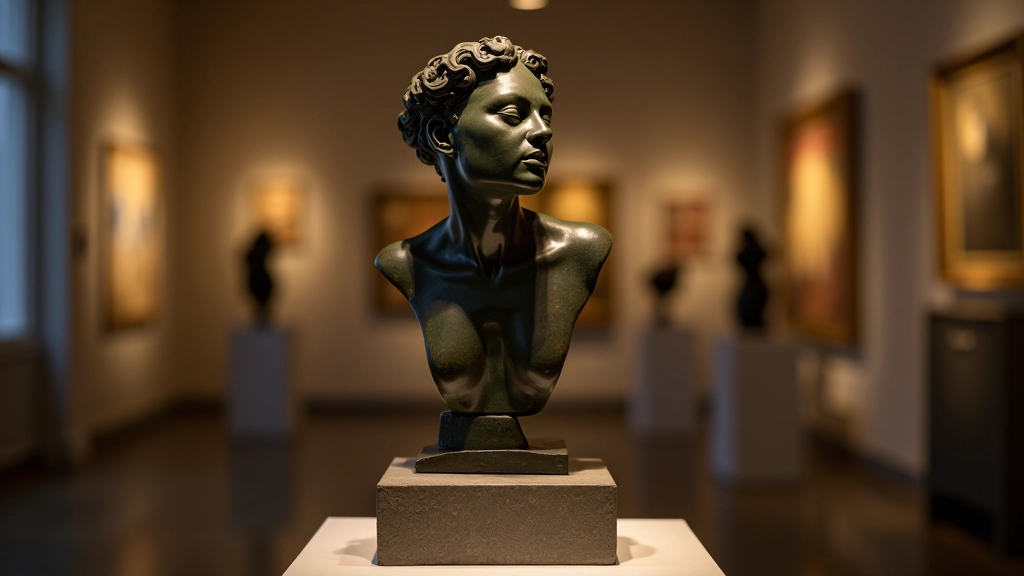
Now the artistry continues. We remove the sprues (the metal channels that fed the mold), grind smooth any rough edges, and begin patina work. Chemicals applied to warm bronze create the colors you see in museum pieces — deep greens, rich browns, warm golds. You'll apply your own patina and understand that bronze casting doesn't end when the metal sets.
What You'll Actually Experience
It's not a lecture with slides. You're in the foundry with us, watching the real thing happen. We keep groups small — usually 8 to 12 people maximum — so everyone gets close enough to feel the heat, hear the metal, understand the sounds that mean things are working correctly.
You won't be handling the molten metal — that's not safe and it's not the point. But you'll help prepare the molds, position them in the furnace, and be right there when we break them open. Many people come expecting to feel distant from the process, and instead they're surprised by how hands-on it actually is.
The demonstrations run on Friday afternoons from 2 to 5 PM. We schedule them twice monthly so there's real variety — sometimes we're pouring, sometimes we're breaking out pieces from the previous week, sometimes we're working on patina. You don't need any experience. Seriously. We've had 72-year-old retired teachers stand next to 35-year-old architects, and everyone learns something different based on what they're curious about.
Why Bronze? Why This Method?
We use the lost-wax casting process specifically because it's the same technique used since 3200 BC. Egyptian sculptures, Renaissance bronzes, contemporary art — they're all made this way. You're not learning some industrial shortcut; you're learning the real method that's produced the most enduring sculptures in human history.
Bronze itself matters. Unlike stone carving, which removes material, or clay sculpture, which can shift and crack — bronze is permanent. A sculpture you cast today will look almost identical in 500 years. That permanence changes how you think about your work.
We also work with bronze because it's forgiving in some ways and unforgiving in others. You'll make mistakes — air bubbles, incomplete fills, cracks in the mold. These aren't failures; they're lessons. You'll see exactly what went wrong and understand how to prevent it next time. That's the real education.
Who Shows Up?
Our audience is diverse, and that's the whole point.
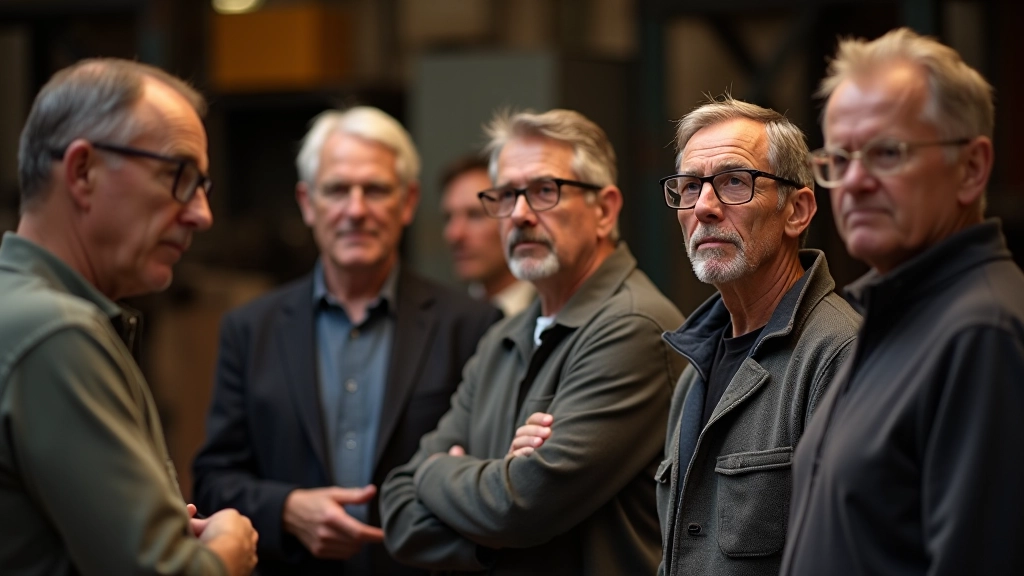
We get artists who've worked in clay or stone for years and want to understand the next step. We get complete beginners who've never sculpted anything. We get engineers fascinated by metallurgy. We get people who just read something about bronze casting and thought "I want to see that." We get groups of friends, families, solo visitors from other countries.
Everyone leaves saying the same thing: "I didn't expect to understand this much." You'll walk out knowing how bronze casting actually works — not in theory, but from watching it happen. You'll understand why artists choose this process, what can go wrong, why it takes skill and patience, and whether you might want to pursue it yourself.
"Honestly, I thought I'd just watch something cool happen. But you're in there helping with the whole process. I spent three hours in a foundry and I learned more about art than I have in years."
— Paulo, 58
Before You Come: What to Know
Duration & Schedule
Three hours per demonstration. We run sessions Friday afternoons, 2 to 5 PM. There's usually a two-week wait for tickets, so plan ahead. Demonstrations happen twice monthly, so there's flexibility if one date doesn't work for you.
What to Wear
Closed-toe shoes (required). Long pants recommended. We provide safety glasses and heat-resistant aprons. Don't wear anything synthetic that melts easily — stick with cotton or linen. You'll be comfortable, not overdressed.
Physical Requirements
You'll stand for most of the three hours. We have a few places to sit, but it's not designed as a seated experience. You need to be able to move around the foundry safely. If you have mobility concerns, contact us beforehand — we'll work something out.
Age & Experience
No minimum age (kids need parental supervision). No experience required. We've worked with participants from 8 to 85. Everyone learns something. Everyone walks out understanding bronze casting differently than when they arrived.
Why This Matters
There's a difference between reading about bronze casting and watching it happen. You can't photograph the moment molten metal flows into a mold. You can't capture the sound of the furnace or the heat radiating across the room. You can't truly understand why this process has remained virtually unchanged for 5,000 years until you've stood in a foundry and experienced it yourself.
These demonstrations aren't just for aspiring sculptors. They're for anyone curious about how things are actually made. How artisans work. Why some techniques survive millennia while others vanish. What it means to create something that'll outlast you by centuries.
If you've ever wondered what happens inside a foundry, or you're considering bronze casting as your next creative pursuit, or you just want to spend three hours watching skilled artisans do something genuinely impressive — this is it. Come see bronze casting happen live. You'll understand art differently afterward.
About This Information
This article describes the bronze casting process and our live demonstrations for educational purposes. Bronze casting involves high temperatures and requires proper safety equipment and training. Our demonstrations are conducted in a controlled foundry environment with safety protocols in place. Participants must follow all safety guidelines provided during sessions. Results and experiences may vary based on individual circumstances and participation levels. For specific details about upcoming demonstrations, scheduling, or any accessibility requirements, please contact our sculpture program directly.
Explore Related Programs