
Dance Communities in Narva and Across Estonia — Over 45
Find active dance groups specifically for mature adults. Information on social events, partner dance evenings, and how these communities stay connected year-round.
If you're over 45 and looking for a way to stay active while having genuine fun, dance communities across Estonia are thriving. Narva's got some particularly welcoming groups. They're not stuffy or intimidating — they're just people who've discovered that dancing is one of the best ways to stay fit, make friends, and feel alive.
What's remarkable about these communities isn't just the dancing. It's the social fabric they've built. Regular evening gatherings, weekend workshops, and seasonal celebrations mean you're not showing up to an empty room. You're joining something that's been growing for years.
Why Narva's Dance Scene Is Special
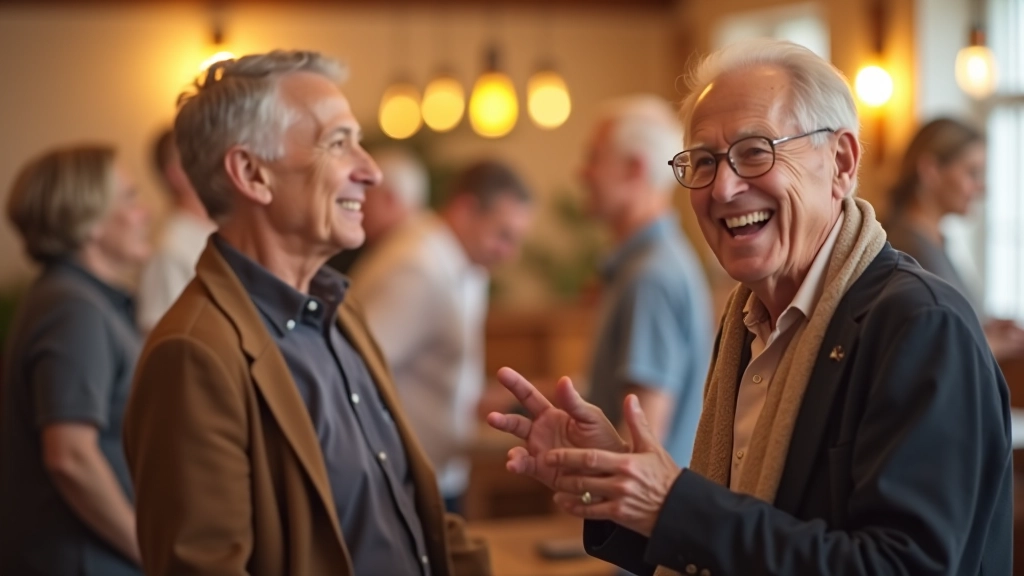
Narva sits right on the border between Estonia and Russia, which means it's got a unique cultural blend. The dance communities here reflect that — you'll find traditional Estonian folk dancing alongside Latin styles. But the real draw? The people are genuine and welcoming.
The city's got three main venues where mature dancers gather regularly. Community Center Narva hosts Tuesday and Thursday evening sessions. St. Michael's Hall runs Saturday socials. And there's the smaller but incredibly tight-knit group that meets Wednesday afternoons at the Kreenholm Cultural Center. Each has its own personality.
Most groups charge between 5-10 euros per session. That's it. No expensive memberships or long-term commitments. Show up when you can, dance with whoever's there that night. The focus is always on having fun and staying connected with people who get why this matters.

How These Communities Actually Work
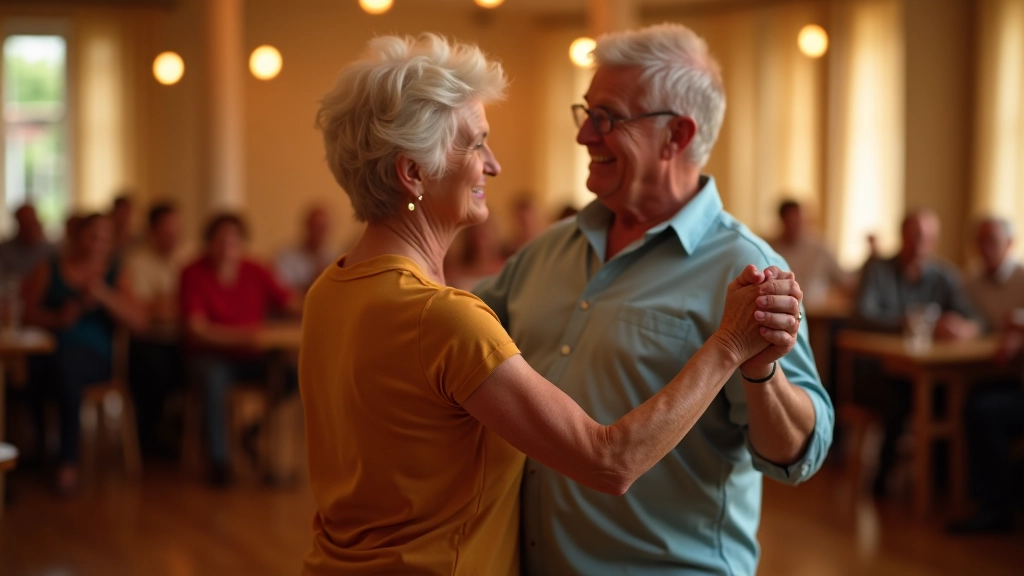
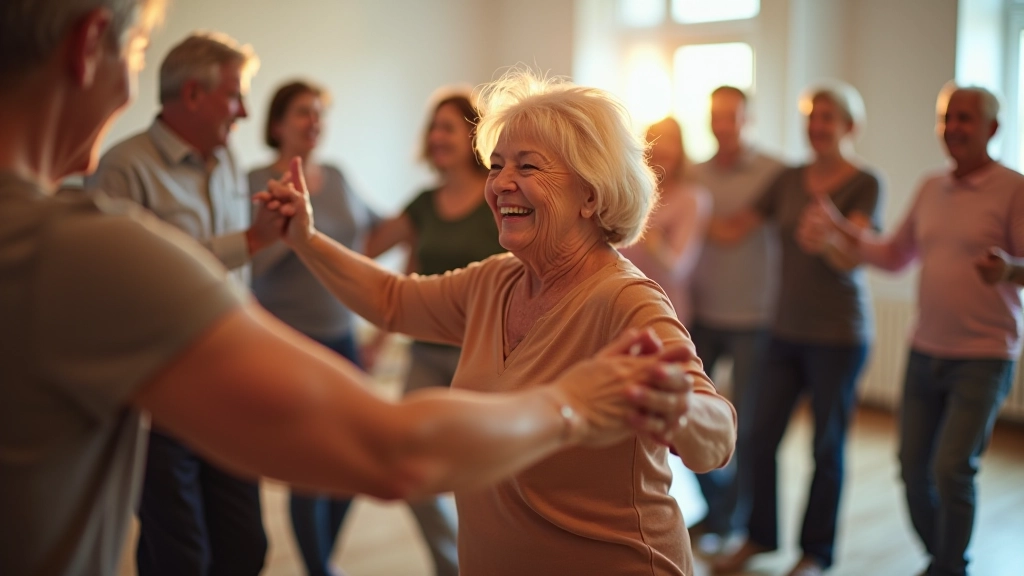
You don't need a partner to join. That's important to know. While some people do bring partners, most groups rotate — you'll dance with different people throughout the evening. It keeps things fresh and means nobody's left standing alone.
Structure varies by venue. Some nights you'll get a 30-minute lesson on a specific dance style, then open dancing for two hours. Others are social from start to finish — just music, partners changing every few songs, and conversation between tracks. Most groups run from 6 PM to 9 PM, which works well if you want dinner before or drinks after.
What really makes these communities tick is consistency. You'll see the same faces week after week. That's when real friendships form. People remember your name. They ask how you're doing. They notice if you haven't shown up in a while.
Important Note
This article provides informational guidance about dance communities and social activities for adults over 45 in Estonia. Before starting any new physical activity, especially if you have existing health conditions, it's wise to consult with your healthcare provider. Dance communities vary in their specific practices and schedules — we encourage you to contact venues directly for current information and to ensure activities match your fitness level and interests.
Beyond Narva — What's Happening Across Estonia
Tallinn obviously has the largest scene. There are at least 12 active groups in the capital, ranging from traditional folk dancing societies to contemporary Latin dance clubs. But the real story is how connected these communities have become. WhatsApp groups, email newsletters, Facebook pages — people coordinate across cities.
Tartu's got a strong university connection, which means the groups tend to be younger on average, but there's definitely a mature dancer presence there too. Pärnu, being smaller, has maybe three regular groups but they're tightly organized and they host visiting dancers from other cities fairly often. Haapsalu and Kuressaare have seasonal communities — more active in warmer months when people are more likely to venture out.
The really cool development? Spring and autumn festivals. Organizers from different cities now coordinate to run regional dance weekends. You might travel to Tartu for a Friday night salsa competition, sleep over, then hit a folk dancing workshop Saturday morning. People make road trips out of it.


What You'll Actually Get From Joining
The fitness benefits are real. You're on your feet for 2-3 hours at a time, moving in patterns that challenge your coordination and balance. Your cardiovascular system gets a genuine workout. But honestly? Most people join for the social aspect.
You'll develop a routine that gives structure to your week. Something to look forward to. You'll meet people from completely different backgrounds — teachers, nurses, retired engineers, people who run businesses, folks who've traveled the world. The conversations are often richer than you'd expect because everyone's there by choice, not obligation.
There's also something about learning — even if you've never danced before — that keeps your brain sharp. Your mind's engaged, you're problem-solving how to make your feet do what the instructor's showing, you're remembering sequences. That's valuable at any age.

The Bottom Line
Dance communities in Narva and across Estonia aren't exclusive clubs for experienced dancers. They're groups of people — many who've never danced before — who've figured out that showing up, moving together, and connecting with others is genuinely rewarding. You don't need fancy shoes or perfect technique. You need curiosity and a willingness to try something new.
Start by visiting a venue once. Show up 15 minutes early, introduce yourself to whoever's there, and just observe the first session if you're nervous. You'll see pretty quickly whether it's your crowd. Most likely it will be. These communities are built on the simple idea that dancing together makes life better — and they're right.